What is Community of Inquiry?
A “community of inquiry” refers to both a community of people inquiring, and a particular style of collaborative philosophical inquiry. The distinctive features of this community are shared norms for discussion (such as respectful listening and building on each other’s ideas) and the disposition to approach phenomena with curiosity, openness, and the willingness to learn from diverse perspectives.
In terms of the style, a community of inquiry typically has the following steps:
- Students are presented or share something that will stimulate inquiry. This can be a written text, a video clip, a work of art, or any sort of artefact from any discipline.
- Students generate questions prompted by the stimulus.
- Students choose one question to investigate. They make progress on this question using philosophical tools (such as making connections and distinctions, examining examples and counter-examples, proposing claims and offering counter-claims, raising further questions, playing with thought experiments, and so on).
- Students reflect on the discussion and how their thinking on the topic/question has changed.
Community of inquiry has been implemented in kindergarten classrooms, primary classrooms, secondary classrooms, vocational and tertiary classrooms, as well as professional settings with adults. It can be adapted to suit the age and context of the group members.
Most importantly, the earlier kids practise working and playing with philosophical tools the better! The benefits of participating in a community of inquiry include:
- Engagement
- Critical and creative thinking
- Student-led discussion
- Ethical understanding
- Collaboration
- Student voice and agency
At SAPEA, we offer training for facilitating community of inquiry. Check out our professional learning offerings and activities for school students on our For Educators page.
Check out Laurance Splitter’s two episodes on Community of Inquiry on his podcast, The Rest is Uncertain:
Recommended Reading
Background
Matthew Lippman (1923–2010) was a pioneer of the philosophy for children (P4C) movements. In 1974 he co-founded the Institute for the Advancement of Philosophy for Children with Ann Margaret Sharp (1942–2010) at Montclair State University in the U.S.A. Since then, P4C has spread around the globe. P4C was brought to Australia by living legends, like Laurance Splitter, and South Australians, Phil Cam, and Sue Knight.
The most comprehensive reading list for P4C is available at the Montclair State University Library. This collection includes the theory and practice of philosophical inquiry and community of inquiry with children. In addition, check out this foundations series on Routledge.
For an overview of P4C in Australia, check out this paper by Gilbert Burgh & Simone Thornton at The University of Queensland.
Practical guidance
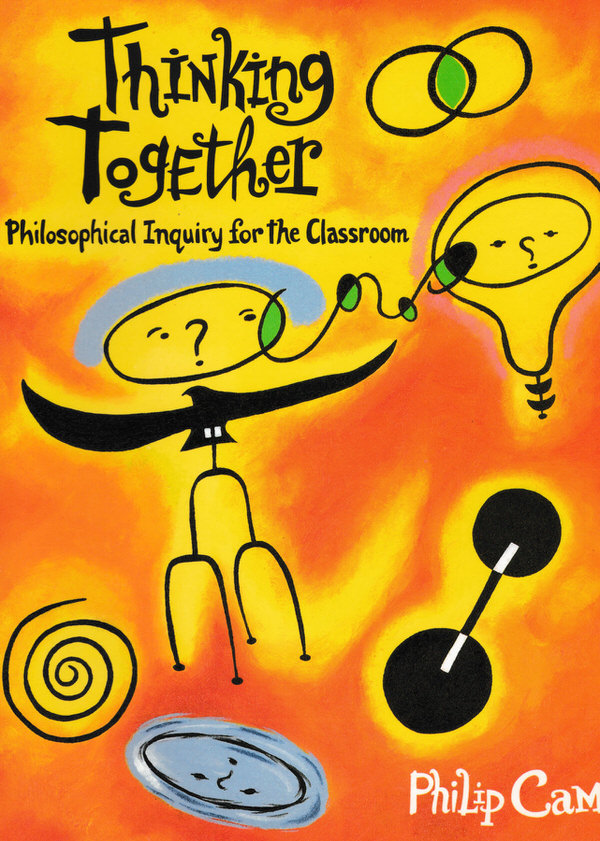
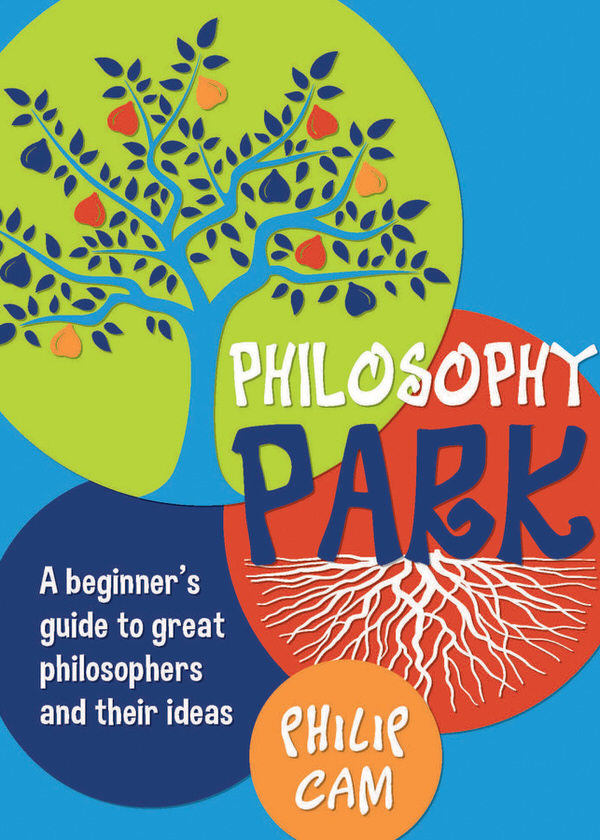
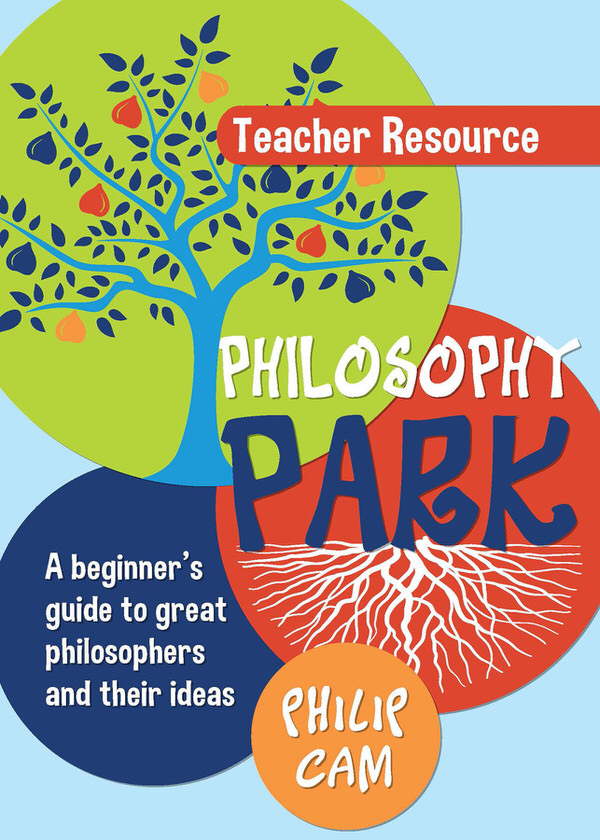
For the most practical guidance on implementing philosophical inquiry in your classroom, we invite you to check our Phil Cam’s book collection.
Research on P4C
The UK-based non-profit dedicated to realising the personal and public value of philosophical enquiry, Thoughtful, has compiled this evidence base for the positive impact of P4C participation on reading, cognition, character, and wellbeing.